AI data center boom fuels US battery storage demand, opens new avenue for LG Energy Solution, Samsung SDI, SK On
South Korean battery makers could find fresh opportunities in the US energy storage market as Seoul's decision to invest in a multibillion-dollar gas-fired power complex in Texas underscores growing demand for reliable electricity to power artificial intelligence data centers.
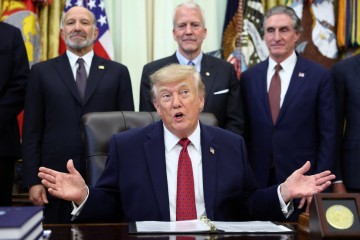
On Wednesday (US time), US President Donald Trump announced plans for South Korea to invest $200 billion in US projects under Seoul’s broader $350 billion strategic investment package agreed as part of a trade deal with Washington last year.
Among the projects announced is a $22.3 billion combined-cycle gas-fired power complex in Encinal, Texas, designed to supply electricity to nearby AI data centers.
Korean firms are expected to seek contracts related to equipment supply, engineering, construction and long-term maintenance for the Texas project, according to industry officials.
While no Korean battery maker has yet been confirmed as an ESS supplier for the project, the development highlights a growing opportunity emerging around AI data center power infrastructures.
Powering the AI boom
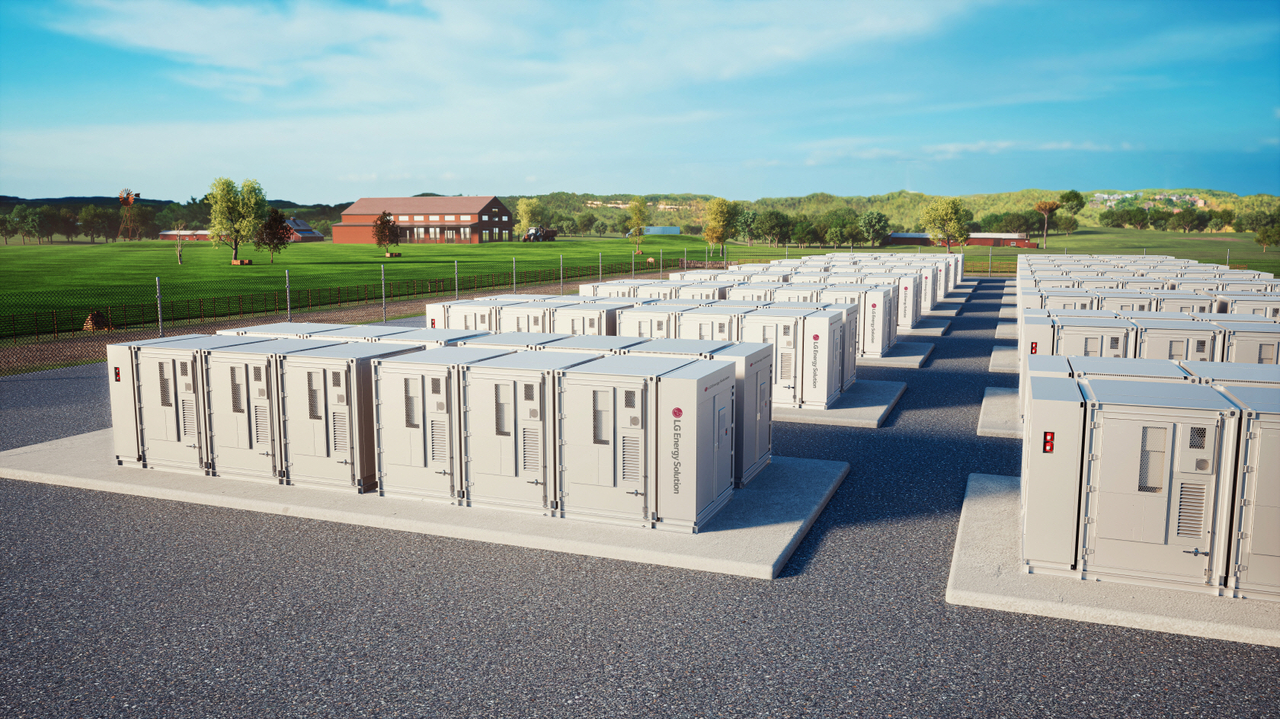
The Texas project highlights the pressing need for dependable power to support energy-hungry AI infrastructure. Amid this demand, battery energy storage systems are increasingly being deployed alongside conventional generation to stabilize power supply and manage fluctuations in energy demand.
AI data centers run huge clusters of graphics processing units, which can experience rapid changes in power consumption. Even brief interruptions in electricity supply can disrupt operations, creating demand for power systems that can respond almost instantly.
ESS can help tackle those fluctuations by storing electricity when demand is lower and releasing it when consumption spikes, complementing gas-fired generation and easing pressure on the power grid.
Paring conventional power generation with battery storage is already gaining traction in the US. At SpaceXAI's Colossus data center in Memphis, Tennessee, Tesla’s Megapack ESS is being installed alongside gas turbines powering the complex.
“Installing gas-fired power generation alongside ESS near data centers is becoming almost commonplace," said Jung Won-seok, an analyst at iM Securities, adding that such configurations are likely to become an important part of data center power infrastructures.
The Texas project comes as the US energy storage industry is targeting 1 terawatt-hour of installed storage capacity by the end of 2032. This trend is opening a major new growth engine for Korean battery suppliers looking to diversify beyond electric vehicle batteries.
According to a report released this month by the US Energy Storage Coalition, reaching the target would require average annual growth of about 25 percent, increasing installed power capacity by more than 300 percent and energy storage capacity by over 500 percent from current levels.
Korean battery makers race to capture US storage boom
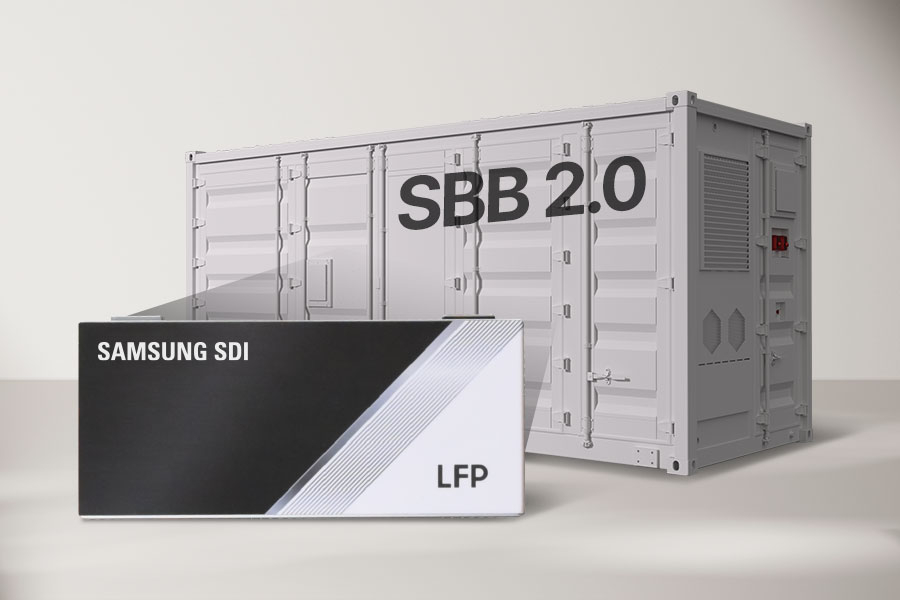
Against that backdrop, South Korea’s three major battery makers, LG Energy Solution, Samsung SDI and SK On are stepping up their push into the North American ESS market, in part by converting existing EV battery production lines for ESS and expanding local production.
Their strategies are increasingly built around lithium iron phosphate, or LFP, batteries, which offer cost and thermal stability advantages, making them more suited for large-scale ESS applications.
LG Energy Solution recently began production at its facility in Lansing, Michigan, expanding its ESS production to five sites across the US and Canada. The company aims to secure more than 50 gigawatt-hours of annual LFP battery production capacity for ESS in North America by the end of this year.
The company has also secured more than 3 trillion won in new ESS orders during the first half, including projects on AI data centers. LG Energy Solution's battery energy storage system recently qualified for Nvidia's DSX Ready program, which identifies power, cooling and other infrastructure products that meet requirements for NVidia-based AI factories. LG Energy Solution was the only Korean battery maker among the initial BESS suppliers in the program.
Samsung SDI is also expanding its capacity for energy storage in the US. The company has been converting part of the production lines at StarPlus Energy, its joint venture in Indiana with Stellantis, for ESS, and plans to mass produce LFP batteries there beginning in the fourth quarter.
The company has recently taken full ownership of a separate Indiana battery plant it previously jointly held with General Motors, with plans to add an ESS line there as well.
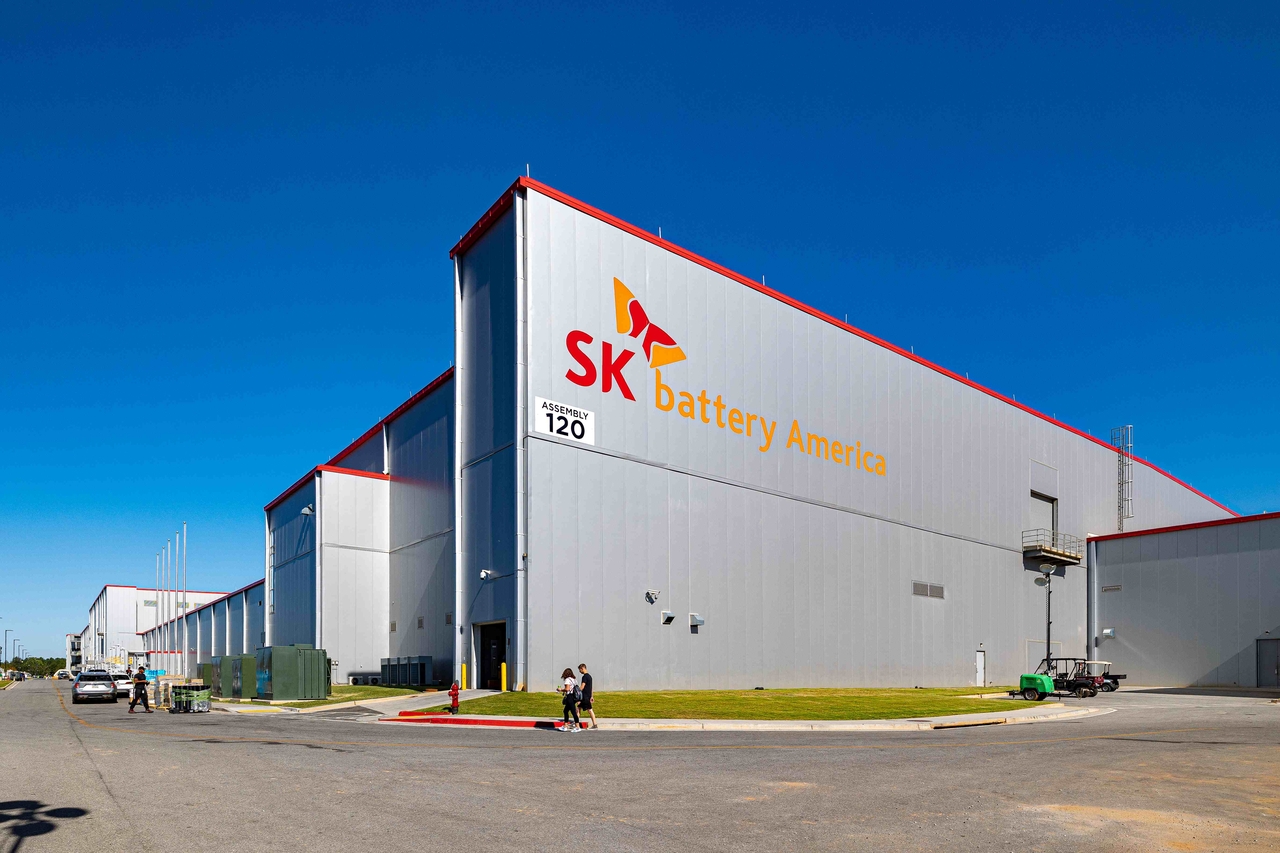
SK On, meanwhile, is converting part of its existing EV battery production lines in Georgia to manufacture LFP batteries for ESS applications.
In August, the company signed a five-year agreement with US energy storage firm NeoVolta Power to supply 9 gigawatt-hours of LFP battery cells from 2027 to 2031. SK On also plans a separate agreement for an additional 9 gigawatt-hours of cells this year.
To meet its expansion plans, SK On has signed LFP cathode material supply agreements with Korean battery material suppliers, including Posco Future M and L&F, strengthening its supply chain for US-based production.
For Korea’s battery industry, the US energy storage boom offers a chance to diversify revenue amid slowing EV battery demand, while making use of plants already built in North America.
sahn@heraldcorp.com

![[Legal updates in Korea] New insurance mandate protects firefighters on the job](https://wimg.heraldcorp.com/news/cms/2026/10/01/news-p.v1.20261001.76835f19eb424f18814ac3bb65d896a9_T1.jpg?type=h&h=800)